The Importance of Pediatric CPR
When it comes to saving lives, every second counts—especially when it involves children. Pediatric CPR (Cardiopulmonary Resuscitation) is a critical skill for parents, caregivers, teachers, healthcare providers, and anyone who works with children. Knowing how to perform CPR on a child can make the difference between life and death in emergency situations such as choking, drowning, or cardiac arrest. cprcertificationnow offers specialized pediatric CPR training to help individuals gain the knowledge and confidence they need to act swiftly and effectively in these situations.
Why Pediatric CPR is Different from Adult CPR
While the core principles of CPR are the same for both adults and children, pediatric CPR requires some modifications to account for the unique physiology of children. Here’s why pediatric CPR is different:
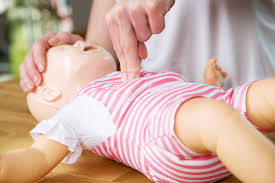
- Chest Compressions: In adult CPR, chest compressions are performed with the palms of both hands. In pediatric CPR, for infants and small children, you may only need to use one hand or even two fingers for infants to provide the right amount of pressure without causing injury.
- Rescue Breaths: For children, you need to give more careful, gentle breaths, especially for infants, to avoid over-inflating the lungs. The technique for opening the airway (head-tilt, chin-lift) may also differ slightly based on the child’s size and age.
- Compression Depth: For children and infants, chest compressions should be about one-third the depth of the chest. This is more shallow than adult compressions, which are typically at least two inches deep.
- AED Use: Automated External Defibrillators (AEDs) designed for children typically have pediatric pads and settings that adjust the shock delivered to a child’s body, as opposed to the adult settings used in adult CPR.
Understanding these differences is key to performing effective CPR on a child during an emergency.
When to Perform Pediatric CPR
Knowing when to perform pediatric CPR is as important as knowing how to perform it. Some of the most common situations where pediatric CPR is necessary include:
- Choking: If a child is unable to breathe due to a blocked airway, performing CPR can help clear the airway and restore breathing.
- Drowning: Children are especially prone to drowning accidents. Immediate CPR is essential if a child is pulled from water and is not breathing.
- Cardiac Arrest: While rare in children, cardiac arrest can happen. CPR is critical to keep blood flowing to vital organs until emergency responders arrive.
- Severe Allergic Reactions: Anaphylaxis can cause the airway to swell, leading to difficulty breathing. In such cases, CPR can help until emergency medical help arrives.
Knowing how to act quickly in these situations can save a child’s life, which is why pediatric CPR training is vital.
Steps for Performing Pediatric CPR
While performing CPR on a child requires some adjustments based on their age, the basic steps of CPR are the same. Here’s a general outline of the steps for pediatric CPR:
- Assess the Situation: Check if the child is responsive. Gently tap or shake them and shout to see if they respond.
- Call for Help: If the child is unresponsive and not breathing, call emergency services immediately. If you’re alone, perform CPR for about two minutes before calling for help.
- Start Chest Compressions: For infants (under 1 year old), use two fingers placed just below the nipple line. For children over 1 year, use one or both hands, depending on the child’s size. Compress the chest about one-third of its depth, aiming for at least 100-120 compressions per minute.
- Rescue Breaths: After 30 compressions, give 2 rescue breaths. For infants, use your mouth to cover both the nose and mouth, and for children, provide a seal over their mouth with your own mouth.
- Continue CPR: Keep performing cycles of 30 compressions and 2 rescue breaths until the child starts breathing, emergency medical help arrives, or you are too exhausted to continue.
Taking a pediatric CPR course will help you practice these techniques and understand the specific adjustments required for different age groups.
How to Get Certified in Pediatric CPR
Getting certified in pediatric CPR is straightforward and can be done through online courses like those offered at https://cprcertificationnow.com/ . These courses are designed to be flexible and allow you to learn at your own pace. Here’s how you can get started:
- Choose an Accredited Course: Make sure the course is accredited and provides comprehensive instruction in pediatric CPR, including age-specific techniques and procedures.
- Complete the Training: Online courses typically consist of videos, quizzes, and interactive lessons to help reinforce the material.
- Pass the Exam: After completing the course, you’ll need to pass an exam to demonstrate your knowledge of pediatric CPR techniques.
- Receive Your Certification: Once you pass the exam, you’ll receive your pediatric CPR certification, which is usually valid for two years.
Renewing your certification ensures that you stay up-to-date with the latest CPR techniques and guidelines.
The Benefits of Pediatric CPR Training
Pediatric CPR training provides numerous benefits, including:
- Life-Saving Skills: Knowing how to perform pediatric CPR ensures you’re prepared to respond in an emergency, potentially saving a child’s life.
- Confidence: CPR training gives you the confidence to act quickly and effectively when it matters most, without hesitation or panic.
- Peace of Mind: For parents, caregivers, teachers, and anyone responsible for children, knowing CPR provides peace of mind, knowing you’re prepared for unexpected emergencies.
- Improved Outcomes: Studies show that early CPR increases the chances of survival, especially in cases of choking or drowning.
With pediatric CPR training, you can be ready to save a child’s life in an emergency, knowing the right steps to take.
read more : https://jinxmanga.co.uk/
Conclusion: Be Prepared to Save a Child’s Life
Pediatric CPR is an essential skill that everyone who cares for or works with children should learn. Whether you’re a parent, teacher, healthcare provider, or childcare worker, having the knowledge and confidence to perform pediatric CPR can make all the difference in an emergency. cprcertificationnow offers convenient, online pediatric CPR courses to ensure that you are always ready to respond when needed. Take the time to get certified today—because when it comes to saving lives, preparedness is key.